Summer Road Trip Ready? Basic Vehicle Maintenance Tips Before You Hit the Road
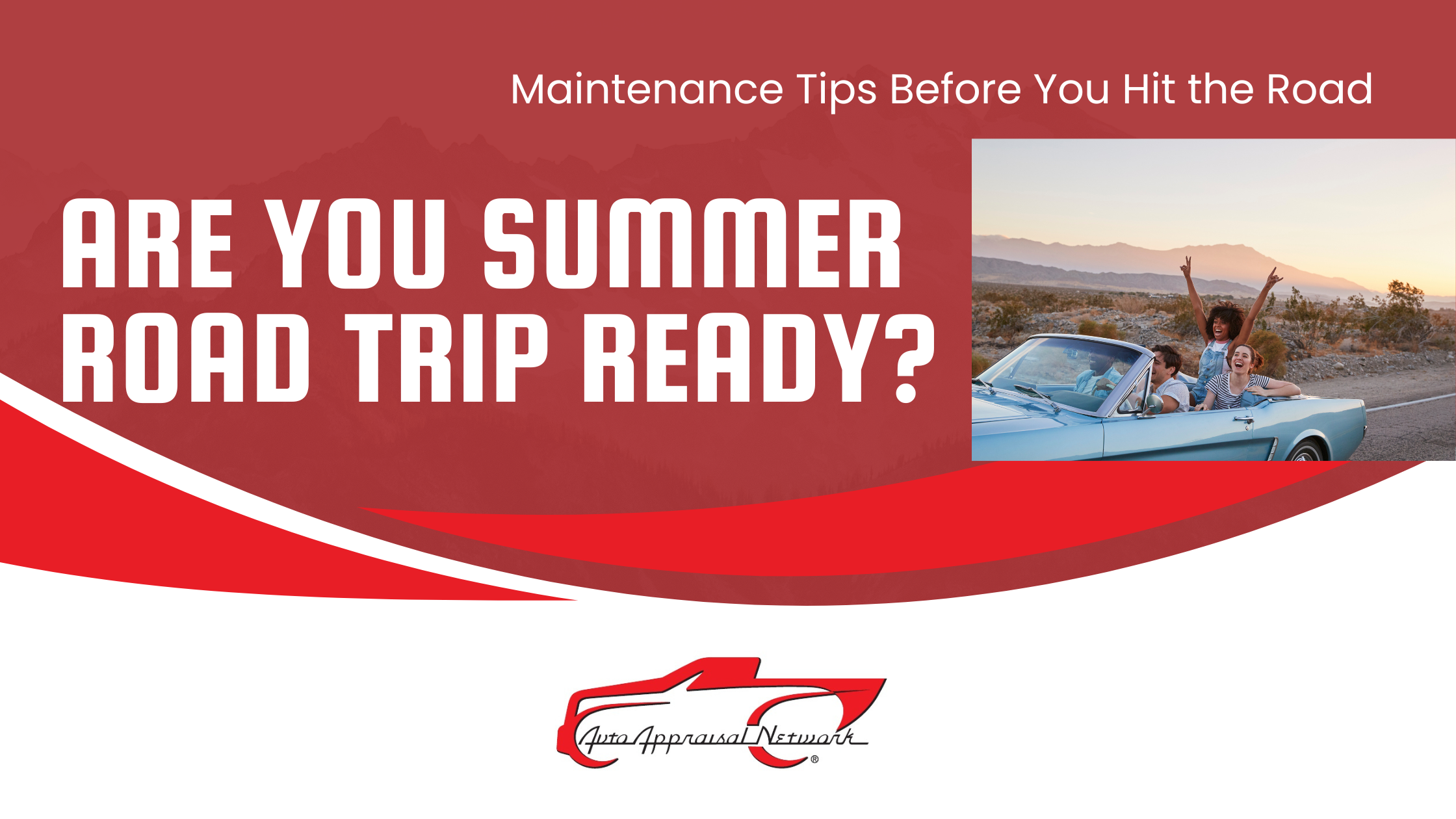
Summer is the time when a lot of us hit the open road. Maybe you’re driving across the country to see all that America the Beautiful has to offer. Maybe you’re heading to the next county to see your momma. Or maybe you’re just cruisin’ to the local ice cream shop on a warm summer evening.
No matter where you’re headed, car trouble can really throw a wrench in your plans.
The easiest way to avoid many common vehicle problems is to prevent them before they happen. Keeping up with routine maintenance can help protect your vehicle, improve safety, and reduce the risk of getting stranded when you would rather be enjoying the drive.
Before your next road trip, here are a few basic maintenance items every driver should check.
Oil Changes
Changing your oil regularly is one of the simplest ways to help protect your engine. Oil lubricates moving parts, helps manage engine heat, and keeps your engine running cleaner.
Oil change intervals can vary quite a bit depending on the age of the vehicle, the type of oil used, how you drive, and what the manufacturer recommends. As a general guide:
Older vehicles may need oil changes around every 3,000 miles.
Newer vehicles using conventional oil may be closer to every 5,000 miles.
Many modern vehicles using synthetic oil may go 7,500 miles or longer between oil changes.
That said, your owner’s manual is the best place to start. Some vehicles have oil life monitoring systems, while others follow mileage or time-based maintenance schedules.
If you regularly drive in “severe conditions,” you may need oil changes more often. Severe driving can include frequent short trips, stop-and-go traffic, towing, idling for long periods, extreme heat, dusty roads, or mountain driving. If any of that sounds familiar, check your owner’s manual or ask a trusted mechanic what schedule makes the most sense for your vehicle.
Check Your Oil Level
It takes less than two minutes to check your oil level, and it could save you from a very expensive engine problem.
It’s a good idea to check your oil between oil changes, especially before a long trip, after arriving from a long trip, and even after having your oil changed just to make sure everything looks right.
If you are not sure where the dipstick is located or how to read it, your owner’s manual can walk you through the process. You can also search for a video specific to your vehicle’s year, make, and model.
While you’re there, make sure you know what kind of oil your vehicle needs and where to add it if the level is low.
Other Fluids
While you’re checking your oil, take a few minutes to look at your other fluid levels, including:
- Coolant
- Transmission fluid
- Brake fluid
- Power steering fluid
- Windshield washer fluid
Coolant should only be checked when the engine is cold. Never open a hot radiator cap.
Some fluids, such as brake fluid, transmission fluid, and power steering fluid, are part of systems that should not be losing fluid during normal operation. If one of those levels is low, it may be a sign of a leak or another issue that should be inspected by a mechanic.
Windshield washer fluid is easy to forget until you need it. Fill it before a trip, especially if you’ll be driving through bugs, dust, rain, or construction zones.
Wiper Blades
Wiper blades may not affect how your car runs, but they absolutely affect how safely you can drive. Seeing through the windshield is a pretty important part of driving.
Inspect your wiper blades every six months and replace them about once a year, or sooner if you notice streaking, skipping, fraying, cracking, or squeaking.
Summer storms can come out of nowhere, and worn-out wipers can make a sudden downpour feel a lot more stressful than it needs to be.
Tires
Good tires make all the difference, especially during summer travel. Your tires affect traction, braking, handling, fuel efficiency, and overall safety.
Before a road trip, check your tire pressure, including the spare if your vehicle has one. Tire pressure should be checked when the tires are cold, before you have driven very far. You can usually find the recommended tire pressure on a sticker inside the driver’s side door or in your owner’s manual.
You should also check your tread depth. A quick way to do this is the penny test. Place a penny into the tread with Lincoln’s head facing down. If you can see the top of Lincoln’s head, your tread is too low and it is time to replace the tire.
Also look for uneven wear, bulges, cracks, nails, or anything that just does not look right. Uneven wear may mean your vehicle needs an alignment, tire rotation, suspension repair, or other service.
Battery
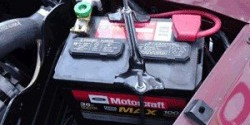
Summer heat can be hard on a vehicle’s battery. In fact, hot weather can shorten battery life and increase the chance of a no-start situation.
Before a trip, check the battery terminals for corrosion and make sure the battery is secure. If your vehicle has been slow to start, the headlights seem dim, or your battery is more than a few years old, it may be worth having it tested before you leave town.
A dead battery in your driveway is annoying. A dead battery at a gas station three states away is a whole different kind of problem.
Brakes
Your brakes are not something to ignore, especially before a long drive.
If you hear grinding, squealing, or scraping, feel vibration when braking, notice the vehicle pulling to one side, or feel that the brake pedal is softer than usual, have your brakes inspected before you hit the road.
Even if everything feels normal, a routine inspection can help catch worn pads, damaged rotors, leaks, or other issues before they become dangerous.
Belts and Hoses
Belts and hoses are easy to overlook, but they play a big role in keeping your vehicle running.
Take a look under the hood for cracked, frayed, loose, or leaking hoses. If you notice a squealing sound, visible cracking, or a belt that looks worn, have it checked by a mechanic.
A failed belt or hose can lead to overheating, loss of power steering, charging issues, or a breakdown that could have been avoided with a quick inspection.
Lights and Safety Items
Before you leave, check your headlights, brake lights, turn signals, hazard lights, and reverse lights. This is easier with two people, but you can also use reflections from a garage door, window, or parked car to help check them yourself.
It is also smart to keep a basic emergency kit in your vehicle, especially for longer drives. Consider including:
- Jumper cables or a portable jump starter
- Tire pressure gauge
- Flashlight
- First aid kit
- Phone charger
- Water
- Basic tools
- Roadside warning triangles or flares
- Proof of insurance and registration
A little preparation can make a big difference if something unexpected happens.
Road Trips, Vehicle Value, and Documentation
Keeping up with maintenance does more than help prevent breakdowns. It can also help protect your vehicle’s value.
If you own a classic car, collector vehicle, custom build, specialty vehicle, or high-value daily driver, maintenance records, repair documentation, photos, and appraisal reports can all play an important role in proving condition and value.
This can be especially important for insurance coverage, total loss claims, diminished value claims, agreed value policies, estate planning, financing, or resale.
Online value tools can only tell part of the story. They typically do not account for every upgrade, restoration detail, aftermarket part, rare option, or condition factor that may affect what your vehicle is actually worth.
Know What Your Vehicle Is Really Worth
Whether you are preparing for a summer road trip, updating your insurance coverage, buying a collector car, or dealing with an insurance claim, knowing your vehicle’s true value matters.
Auto Appraisal Network of Charlotte provides independent, certified vehicle appraisals for classic cars, custom vehicles, collector cars, daily drivers, motorcycles, boats, and more. Our certified reports are built using detailed inspections, photos, documentation, and current market research to help you understand and support your vehicle’s value.
Before you hit the road this summer, make sure your vehicle is ready — and make sure you know what it’s worth.
Contact Auto Appraisal Network of Charlotte today to schedule a certified vehicle appraisal.
Auto Appraisal Network - Charlotte specializes in appraisals for classic, custom and collector vehicles, including cars, trucks, SUV's, motorcycles, boats and personal watercraft. We do appraisals for insurance policies and claims, such as diminished value and total loss, probate, bankruptcy, divorce, financing, fair market value and pre-purchase inspections.
Our appraisals are certified and accepted by the legal system, insurance companies and financial institutions. When you need an accurate, fair assessment of the value of your ride, you need Auto Appraisal Network - Charlotte. Call (704) 703-4801 to schedule your appraisal today.


Tags
All blog insurance claim insurance settlement Insurance Adjuster Custom car appraisals total loss ExpertCarAppraisals ProfessionalAppraiser carfax classic car appraiser independent car appraiser diminished value claim pre-purchase car inspection car accident value loss Diminished Value Appraisal Charlotte Not At Fault Accident Trade-In Value Charlotte Car Accident Help Diminished value North Carolina Independent auto appraiser AI comps insurance Auto Appraisal Network Charlotte CharlotteAutoAppraisal CarAppraisalCharlotte CarAccidentHelp Salvage Title Rebuilt Title Cars For Sale Pre-purchase inspections used car inspections Car Podcast Insurance Hacks Auto Appraisal Network - Charlotte Car Buying Tips Used Car Values agreed value insurance best insurance pre-purchase Inspection Car buyers remorse basic car maintenance tips car care basics summer road trip tips accident settlement car appraisal independent vehicle appraisalPrevious post
 Free Online Car Valuation Tools vs. an Actual Car Appraisal
When you want to know what your vehicle is worth, is a free online vehicle value estimator good enough, or do you need an actual appraisal?
 Summer Road Trip Ready? Basic Vehicle Maintenance Tips Before You Hit the Road
Road trips are fun... Until they're not. A little preventative maintenance can go a long way in making sure your vehicle is road trip ready.
 Types of Car Appraisals in Charlotte, NC
An official guide to the most common types of auto appraisal reports—and when you actually need one..... From the experts at Auto Appraisal Network.
 Why A Post Purchase Inspection is Too Late
Buying a new-to-you car can be an exciting event- especially if you're getting a great deal. However, a great deal can turn into a bad deal pretty fast if you don't get the car inspected before you buy.
 When Your Car Is Totaled, the Settlement Isn’t Always “Fair”
A total loss can punch your budget in the face in ways you may not see coming. Here's what you can do about it.
 What Is a Custom Car? (And Why It Matters More Than You Think)
Custom cars aren't always a flashy hot rod, a street racer, or a fully built show vehicle. A custom car doesn’t have to look extreme to qualify as “custom.” If you've made after-market mods to your ride, then you need to read this!
 What Auto Appraisal Network of Charlotte Does
What kinds of cars does AAN appraise? Why do I need an appraisal for my car? The answer to these questions and more here.
 What I Learned About Car Appraisals at a Dealership vs. an Independent Appraiser in Charlotte, NC
Curious about the difference between dealership trade-in appraisals and certified auto appraisals in Charlotte, NC.? Learn why hiring an independent appraiser gives you the real value for your car or truck.
 Every Car Has a Story: Decoding the Auto Appraisal Industry
When it comes to understanding what your car is really worth, not all appraisals are created equal. Auto Appraisal Network pulls back the curtains on the misunderstood world of auto appraisals on the Kortex Media Podcast.
 Is a Car With a Rebuilt Title Safe to Drive?
You found your dream car at an unbelievable price- but it has a rebuilt title. Will your dream car become a living nightmare?
 When You Need An Independent Car Appraisal
After a car accident, don’t settle for less. Learn when to hire an independent auto appraiser to fight for fair diminished value or total loss compensation.
 Diminished Value Appraisals in North Carolina | Auto Appraisal Network of Charlotte
Think your insurance payout was too low after an accident? Learn how Auto Appraisal Network of Charlotte helps North Carolina drivers claim diminished value and get what they’re owed.
 What Is Diminished Value—and Why It Could Cost You Thousands After an Accident
If your car has ever been in an accident, you may be facing a hidden financial loss. Here’s what you need to know.
 3 Ways an Independent Car Appraiser Can Save You Money | Auto Appraisal Network
Discover how hiring an independent car appraiser can help you claim diminished value, secure the right insurance, and avoid costly used car mistakes. Learn more!
 The Importance of Pre-Purchase Inspections for Pre-Owned, Classic, and Custom Cars
What lies beneath a shiny exterior is what really matters when buying a pre-owned car. A simple pre-purchase inspection can protect you from making a costly mistake. Find out how.
 What Is A Pre-Purchase Car Inspection?
Learn about the benefits of a pre-purchase car inspection when buying a used car, especially if the car is in a different area. Don't buy sight unseen- Get a professional inspection first!
 Used Car Buying Tips
With the used car market as competitive as ever, it is a 'buyers beware' environment. A pre-purchase inspection on a used car for sale can help you make an informed purchase and protect your investment. Get tips from the pros on buying used cars.
 Why You Shouldn't Settle for the Insurance Company’s First Offer After a Car Accident
After a car wreck, you just want to get back to normal as quick as possible, and accepting whatever offer the insurance company makes is one step closer to that. However, they may still owe you thousands of dollars that you won't ever get- unless you do this one thing.
 Understanding Diminished Value: What You Need to Know After an Accident
Understanding this one thing following a car wreck could help you get thousands more from the insurance company.
 Why Professional Appraisals Are Essential for Classic and Custom Cars
Can't find your car's accurate value using an online value estimator? Classic and custom car owners need a professional appraisal that will account for all the work that has been done to make your auto unique.
 Avoid Costly Mistakes: The Importance of Pre-Purchase Inspections in Charlotte
Focusing on the financial benefits, this piece explains how a pre-purchase inspection can prevent buyers in Charlotte, NC, from making costly mistakes. It discusses common issues uncovered during inspections and how identifying these problems can lead to informed purchasing decisions.
 Avoid Buyer's Remorse: Why a Pre-Purchase Inspection is a Must for Used Cars
Uncover the significance of pre-purchase inspections for used cars, focusing on how they can prevent future regrets by uncovering hidden issues and ensuring the car's condition matches its price.
 What is Diminished Value?
The diminished value of your car after it has been in an accident can be thousands of dollars that the insurance company may owe to you. A professional appraisal can prove the loss in value.
 Why Most Appraisals Are A Waste of Your Time
Whether you are in the market for a new vehicle, were involved in a car accident, are executor of an estate, considering bankruptcy, or you’re going through a divorce, Using online and free resources to find out your car’s value can help give you a general idea, but should not be used as the determining factor. Find out why paying for an appraisal is well worth it.
 Auto Appraisal Network Announces New Location in Charlotte, NC
Auto Appraisal Network recently announced the grand opening of its newest location in Charlotte, NC on February 22. 2024. The new location is owned by David and Cindy Bregoli and serves car owners and auto enthusiasts in Charlotte and the surrounding towns and communities.
 What is the difference between a Car Appraiser and a Car Adjuster?
If you're dealing with a wrecked or totaled vehicle, knowing the difference between these two professionals is going to be beneficial for your bottom line.