When Your Car Is Totaled, the Settlement Isn’t Always “Fair”
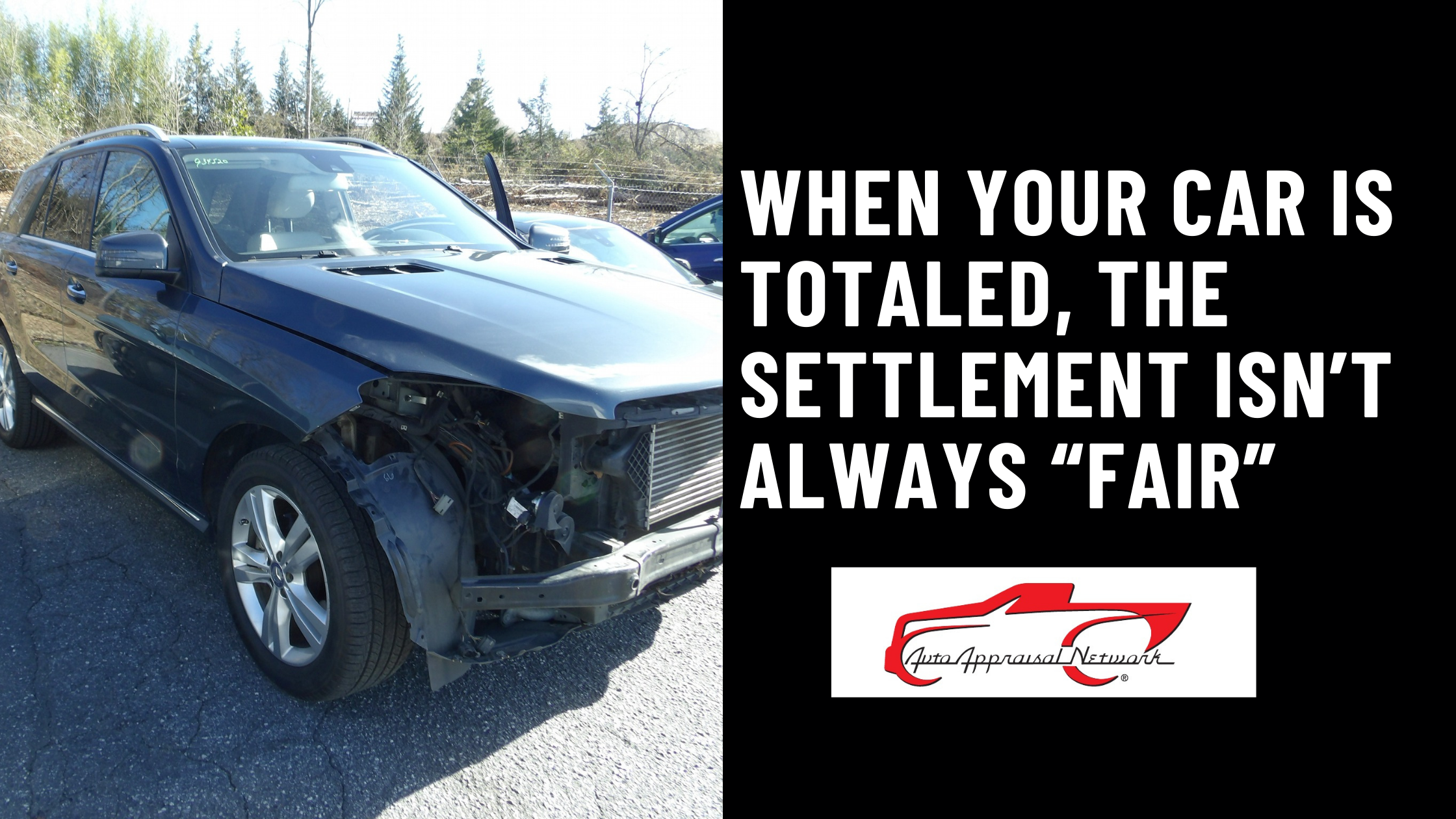
There are all kinds of stories in the news lately about lawsuits against insurance companies for not paying full amounts on total loss claims—or declaring vehicles a total loss when the damage doesn’t look that severe.
At first, you might think: What’s the big deal? The loan gets paid off and you can get another car.
Except a total loss can punch your budget in the face in ways most people don’t see coming.
Why a Total Loss Can Be a Financial Gut-Punch
You may be starting over at $0 (or worse)
With a few exceptions, most drivers don’t have much equity in their current vehicle—especially if the loan is newer. If you’re upside down, you may still owe money after the insurance payout… and now you’re shopping for a replacement vehicle with a brand-new car payment.
Your recent maintenance and upgrades don’t magically get reimbursed
Think about everything you’ve put into the car:
- New battery and alternator
- Tires
- Headlight replacement
- Detailing
- Repairs and upkeep
- Custom work not documented and added to your policy (wheels, audio, lift kits, performance upgrades)
When a car is totaled, you don’t get a “refund” on that stuff. If the settlement is based on a generic valuation, it may not reflect what your specific car was actually worth in real-world condition.
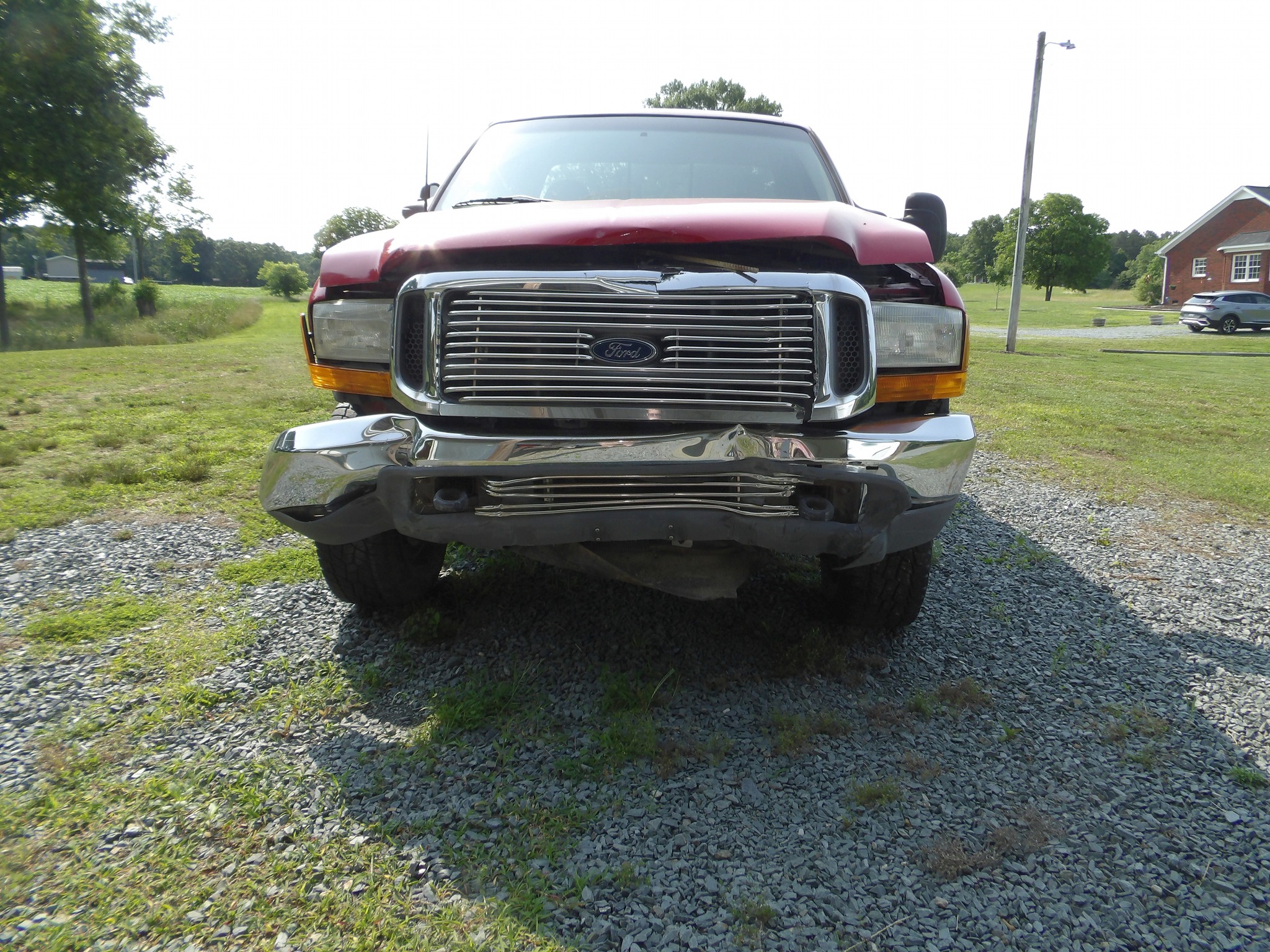
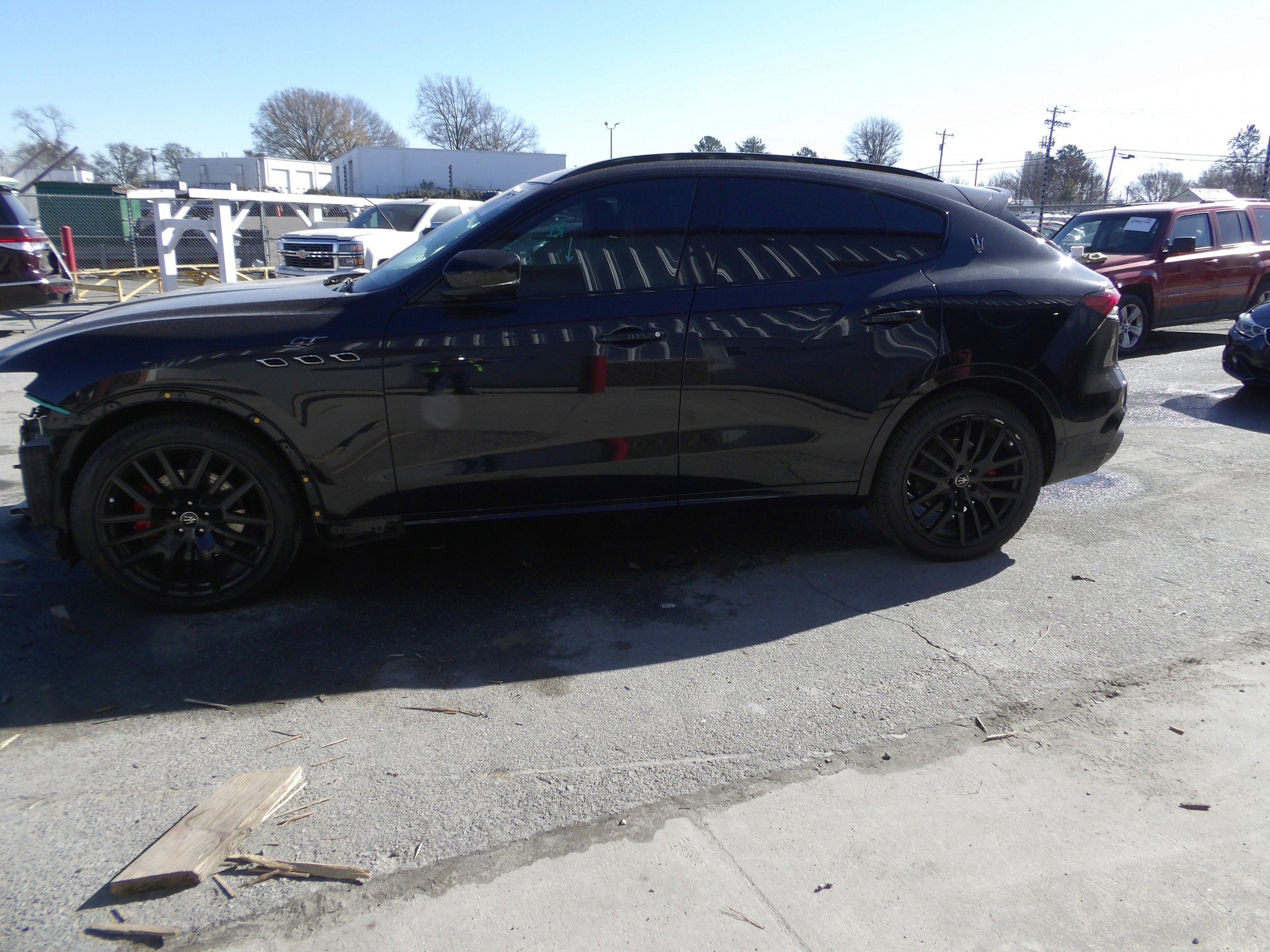
Replacing a vehicle is expensive right now
Used cars are still pricey, and new cars are even more expensive. If your old car was paid off (or almost paid off), suddenly adding a big monthly payment can be a major lifestyle hit—especially when you factor in that insurance premiums on replacement vehicles are often higher too.
In other words: a total loss can easily turn into a “why is my budget suddenly on fire?” moment.
Why Insurance Companies Declare Cars a Total Loss
Fixing cars has gotten expensive. Parts costs are up, labor is up, and modern vehicles are packed with technology that’s costly to repair correctly. Many insurers use a rule of thumb: if repairs are projected to exceed a certain percentage of the vehicle’s value (often around the 70–80% range, depending on the insurer and state), they’ll declare it a total loss.
That’s the basic formula—but it’s not the whole story.
Why Insurers Often Prefer to Total a Car Instead of Repairing It
From the outside, it can feel backwards: the damage looks repairable, so why total it?
A few practical reasons:
Repairs are unpredictable (especially on modern vehicles)
What looks like moderate damage can get expensive fast once a shop tears the vehicle down and finds hidden issues—bent brackets, damaged sensors, wiring, structural impact, or safety system problems.
Repair estimates commonly grow
Initial estimates are rarely the final cost. Supplements (additional parts + labor discovered mid-repair) are normal, and each supplement pushes the claim closer to “not worth repairing.”
Time is money: rental and storage costs add up
If parts are delayed or a shop is backed up, the vehicle can sit for weeks. During that time, insurers may be paying rental car costs, storage fees, and administrative handling. Sometimes the “repair” becomes more expensive because of the waiting—not just the damage.
It reduces future headache risk
Even with quality repairs, heavily repaired vehicles can lead to issues later: warning lights, alignment problems, rattles, electrical quirks, customer complaints, and disputes. Totaling the car is often the cleaner, lower-risk option for the insurer.
Salvage value can make totaling more attractive
When a vehicle is totaled, the insurer can recoup part of the payout by selling the car through salvage channels. If salvage value is strong, it lowers the insurer’s net cost—making a total loss decision more likely.
Bottom line: totaling the vehicle can be cheaper, faster, and less risky for an insurance company—even when the damage doesn’t look catastrophic.
What You Can Do If You Disagree With the Total Loss Value
Here’s the good news: you don’t have to automatically accept the number the insurance company gives you.
Step 1: Review the valuation
Look closely at what they used to determine your car’s value. Are the comparable vehicles truly comparable (trim, mileage, condition, options)? Are features missing? Is the condition rating fair?
Step 2: Use your policy’s right to an appraisal (when available)
Many policies include an appraisal clause that allows you to challenge the insurer’s value if you disagree. This is where an independent appraiser comes in.
Step 3: Hire an independent appraiser
An independent appraiser evaluates your vehicle’s pre-loss condition and provides a defensible, unbiased valuation. They don’t work for the insurance company—so the goal is a credible, evidence-backed number you can use to negotiate a fair outcome.
If the appraised value is higher than the insurer’s number, it can support:
- a higher total loss settlement, and in some borderline cases,
- a repair-vs-total decision that looks very different once the true value is documented
If your vehicle was totaled and the settlement feels low, don’t sign off out of frustration or fatigue. A total loss is often a major financial event—and the valuation number matters.
Auto Appraisal Network of Charlotte is part of a nationwide network of independent, certified appraisers who help vehicle owners challenge unfair total loss values with professional, defensible reports.
We’ll review your claim for free and tell you if your total loss offer reflects what your vehicle was truly worth, or if a certified appraisal can help you get what’s fair.
Auto Appraisal Network - Charlotte specializes in appraisals for classic, custom and collector vehicles, including cars, trucks, SUV's, motorcycles, boats and personal watercraft. We do appraisals for insurance policies and claims, such as diminished value and total loss, probate, bankruptcy, divorce, financing, fair market value and pre-purchase inspections.
Our appraisals are certified and accepted by the legal system, insurance companies and financial institutions. When you need an accurate, fair assessment of the value of your ride, you need Auto Appraisal Network - Charlotte. Call (704) 703-4801 to schedule your appraisal today.


Tags
All blog insurance claim insurance settlement Insurance Adjuster Custom car appraisals total loss ExpertCarAppraisals ProfessionalAppraiser carfax classic car appraiser independent car appraiser diminished value claim pre-purchase car inspection car accident value loss Diminished Value Appraisal Charlotte Not At Fault Accident Trade-In Value Charlotte Car Accident Help Diminished value North Carolina Independent auto appraiser AI comps insurance Auto Appraisal Network Charlotte CharlotteAutoAppraisal CarAppraisalCharlotte CarAccidentHelp Salvage Title Rebuilt Title Cars For Sale Pre-purchase inspections used car inspections Car Podcast Insurance Hacks Auto Appraisal Network - Charlotte Car Buying Tips Used Car Values agreed value insurance best insurance pre-purchase Inspection Car buyers remorse basic car maintenance tips car care basics summer road trip tips accident settlement car appraisal independent vehicle appraisalPrevious post
 Free Online Car Valuation Tools vs. an Actual Car Appraisal
When you want to know what your vehicle is worth, is a free online vehicle value estimator good enough, or do you need an actual appraisal?
 Summer Road Trip Ready? Basic Vehicle Maintenance Tips Before You Hit the Road
Road trips are fun... Until they're not. A little preventative maintenance can go a long way in making sure your vehicle is road trip ready.
 Types of Car Appraisals in Charlotte, NC
An official guide to the most common types of auto appraisal reports—and when you actually need one..... From the experts at Auto Appraisal Network.
 Why A Post Purchase Inspection is Too Late
Buying a new-to-you car can be an exciting event- especially if you're getting a great deal. However, a great deal can turn into a bad deal pretty fast if you don't get the car inspected before you buy.
 When Your Car Is Totaled, the Settlement Isn’t Always “Fair”
A total loss can punch your budget in the face in ways you may not see coming. Here's what you can do about it.
 What Is a Custom Car? (And Why It Matters More Than You Think)
Custom cars aren't always a flashy hot rod, a street racer, or a fully built show vehicle. A custom car doesn’t have to look extreme to qualify as “custom.” If you've made after-market mods to your ride, then you need to read this!
 What Auto Appraisal Network of Charlotte Does
What kinds of cars does AAN appraise? Why do I need an appraisal for my car? The answer to these questions and more here.
 What I Learned About Car Appraisals at a Dealership vs. an Independent Appraiser in Charlotte, NC
Curious about the difference between dealership trade-in appraisals and certified auto appraisals in Charlotte, NC.? Learn why hiring an independent appraiser gives you the real value for your car or truck.
 Every Car Has a Story: Decoding the Auto Appraisal Industry
When it comes to understanding what your car is really worth, not all appraisals are created equal. Auto Appraisal Network pulls back the curtains on the misunderstood world of auto appraisals on the Kortex Media Podcast.
 Is a Car With a Rebuilt Title Safe to Drive?
You found your dream car at an unbelievable price- but it has a rebuilt title. Will your dream car become a living nightmare?
 When You Need An Independent Car Appraisal
After a car accident, don’t settle for less. Learn when to hire an independent auto appraiser to fight for fair diminished value or total loss compensation.
 Diminished Value Appraisals in North Carolina | Auto Appraisal Network of Charlotte
Think your insurance payout was too low after an accident? Learn how Auto Appraisal Network of Charlotte helps North Carolina drivers claim diminished value and get what they’re owed.
 What Is Diminished Value—and Why It Could Cost You Thousands After an Accident
If your car has ever been in an accident, you may be facing a hidden financial loss. Here’s what you need to know.
 3 Ways an Independent Car Appraiser Can Save You Money | Auto Appraisal Network
Discover how hiring an independent car appraiser can help you claim diminished value, secure the right insurance, and avoid costly used car mistakes. Learn more!
 The Importance of Pre-Purchase Inspections for Pre-Owned, Classic, and Custom Cars
What lies beneath a shiny exterior is what really matters when buying a pre-owned car. A simple pre-purchase inspection can protect you from making a costly mistake. Find out how.
 What Is A Pre-Purchase Car Inspection?
Learn about the benefits of a pre-purchase car inspection when buying a used car, especially if the car is in a different area. Don't buy sight unseen- Get a professional inspection first!
 Used Car Buying Tips
With the used car market as competitive as ever, it is a 'buyers beware' environment. A pre-purchase inspection on a used car for sale can help you make an informed purchase and protect your investment. Get tips from the pros on buying used cars.
 Why You Shouldn't Settle for the Insurance Company’s First Offer After a Car Accident
After a car wreck, you just want to get back to normal as quick as possible, and accepting whatever offer the insurance company makes is one step closer to that. However, they may still owe you thousands of dollars that you won't ever get- unless you do this one thing.
 Understanding Diminished Value: What You Need to Know After an Accident
Understanding this one thing following a car wreck could help you get thousands more from the insurance company.
 Why Professional Appraisals Are Essential for Classic and Custom Cars
Can't find your car's accurate value using an online value estimator? Classic and custom car owners need a professional appraisal that will account for all the work that has been done to make your auto unique.
 Avoid Costly Mistakes: The Importance of Pre-Purchase Inspections in Charlotte
Focusing on the financial benefits, this piece explains how a pre-purchase inspection can prevent buyers in Charlotte, NC, from making costly mistakes. It discusses common issues uncovered during inspections and how identifying these problems can lead to informed purchasing decisions.
 Avoid Buyer's Remorse: Why a Pre-Purchase Inspection is a Must for Used Cars
Uncover the significance of pre-purchase inspections for used cars, focusing on how they can prevent future regrets by uncovering hidden issues and ensuring the car's condition matches its price.
 What is Diminished Value?
The diminished value of your car after it has been in an accident can be thousands of dollars that the insurance company may owe to you. A professional appraisal can prove the loss in value.
 Why Most Appraisals Are A Waste of Your Time
Whether you are in the market for a new vehicle, were involved in a car accident, are executor of an estate, considering bankruptcy, or you’re going through a divorce, Using online and free resources to find out your car’s value can help give you a general idea, but should not be used as the determining factor. Find out why paying for an appraisal is well worth it.
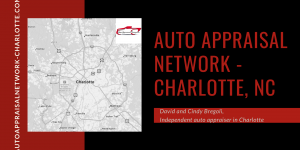 Auto Appraisal Network Announces New Location in Charlotte, NC
Auto Appraisal Network recently announced the grand opening of its newest location in Charlotte, NC on February 22. 2024. The new location is owned by David and Cindy Bregoli and serves car owners and auto enthusiasts in Charlotte and the surrounding towns and communities.
 What is the difference between a Car Appraiser and a Car Adjuster?
If you're dealing with a wrecked or totaled vehicle, knowing the difference between these two professionals is going to be beneficial for your bottom line.