
Agreed Value Auto Insurance Appraisals in Charlotte, NC
Is your classic, collector, or custom vehicle insured for what it's really worth?
Standard auto insurance valuations don't always account for the qualities that make specialty vehicles valuable. A professionally restored classic, custom-built hot rod, or limited-production collector car may be worth considerably more than a standard pricing guide suggests.
Auto Appraisal Network of Charlotte provides independent, certified vehicle appraisals to help owners document the value of their classic, collector, custom, and specialty vehicles for insurance purposes.
Whether you're purchasing a specialty insurance policy, reviewing your existing coverage, or have recently completed a restoration, we can help establish a well-supported value for your vehicle.
Contact certified auto appraiser David Bregoli to discuss your vehicle and insurance appraisal needs.
Request an Insurance Appraisal | Call (704) 703-4801
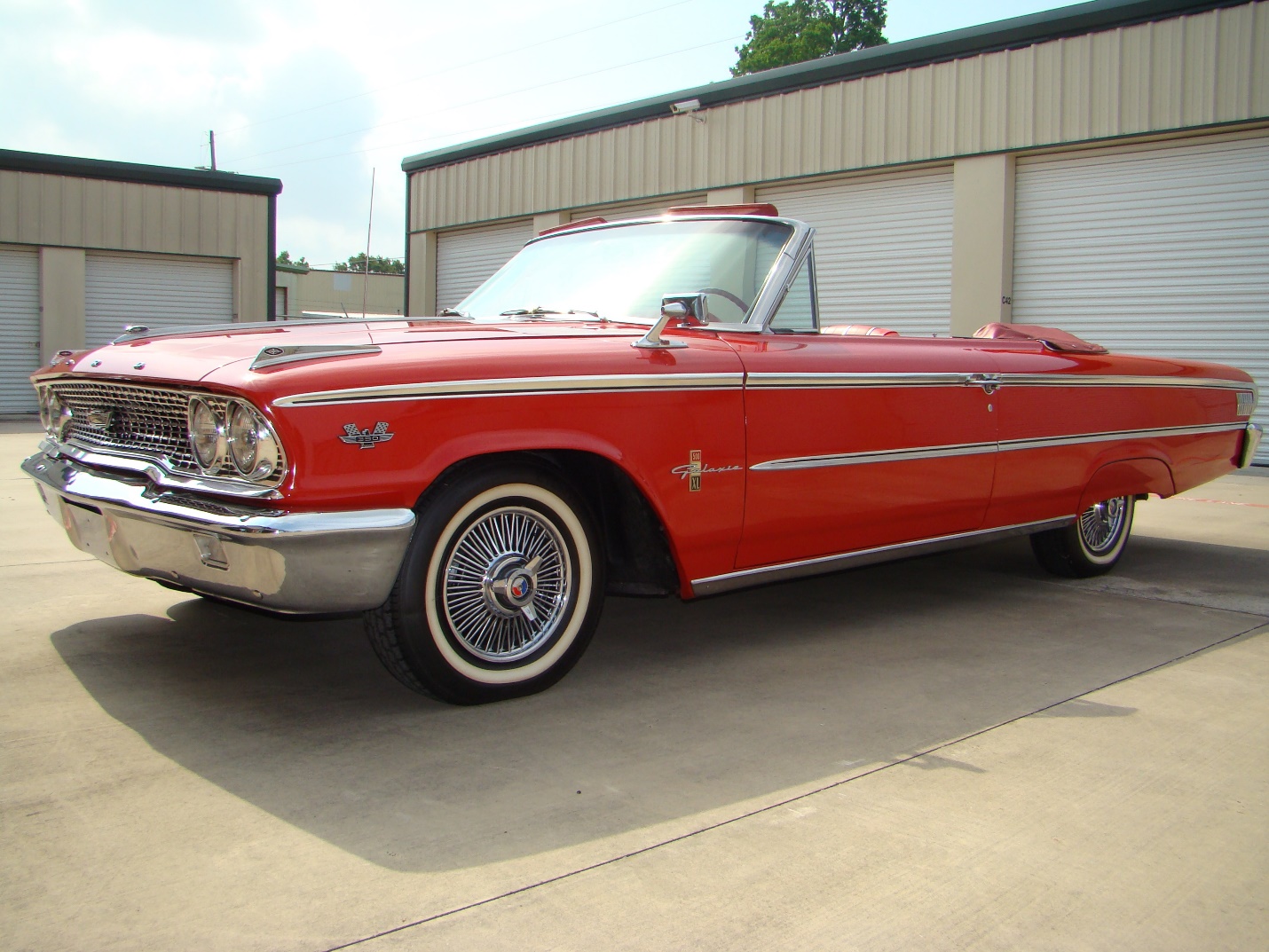
What Is Agreed Value Auto Insurance?
Agreed value insurance is a type of vehicle coverage in which you and your insurance company establish an insured value before a loss occurs.
Unlike many standard auto insurance policies that determine a vehicle's actual cash value at the time of a claim, agreed value coverage establishes the amount in advance.
If your vehicle is stolen or declared a total loss following a covered event, the settlement is generally based on that agreed amount, subject to the policy's terms, deductibles, and applicable exclusions.
Agreed value coverage is commonly available for:
- Classic and antique cars
- Collector and muscle cars
- Restored and original vehicles
- Custom cars and hot rods
- Resto-mods and modified vehicles
- Exotic and limited-production vehicles
- Other eligible specialty vehicles
Not every insurance company offers agreed value coverage, and eligibility requirements vary by insurer.
Why Is a Professional Appraisal Important?
Before agreeing to insure a specialty vehicle for a particular amount, an insurance company may request documentation supporting its value.
An independent appraisal provides a detailed assessment of the vehicle based on factors such as condition, originality, restoration work, modifications, and market activity.
Even when an insurer doesn't require an appraisal, having one can help you make a more informed decision about the amount of coverage to request.
An appraisal documents your vehicle's value. Your insurance policy determines how that value is insured.
Agreed Value vs. Stated Value vs. Actual Cash Value
These three insurance terms sound similar, but they can lead to very different outcomes after a total loss.
Agreed Value Coverage
With agreed value coverage, you and the insurer establish an insured value in advance. A covered total loss is generally settled using that agreed amount, subject to policy provisions.
This type of coverage is particularly useful for eligible vehicles whose market values may not be adequately reflected by standard depreciation-based estimates.
Stated Value Coverage
With stated value coverage, you declare a value for your vehicle when purchasing insurance.
However, stating a value doesn't necessarily mean the insurance company will pay that amount after a loss.
Many stated value policies limit payment to the lesser of the stated amount or the vehicle's actual cash value at the time of the loss.
Actual Cash Value Coverage
Actual cash value (ACV) coverage generally determines a vehicle's value at the time of the loss, accounting for relevant factors such as age, condition, mileage, equipment, and market information.
For some specialty vehicles, standard valuation methods may not fully reflect their collector market characteristics.
Comparing Your Coverage Options
|
Coverage Type |
How Vehicle Value Is Determined |
What Happens After a Covered Total Loss? |
|
Agreed Value |
Owner and insurer agree on a value in advance. |
Settlement generally uses the agreed amount, subject to policy terms. |
|
Stated Value |
Owner declares a value, subject to insurer underwriting. |
Payment may be limited to the lower of the stated amount or ACV. |
|
Actual Cash Value |
Value is determined at the time of loss. |
Payment is based on the vehicle's applicable pre-loss value. |
Insurance policies differ, so review the settlement provisions with your insurance agent before deciding which coverage is appropriate.
What Makes Classic and Custom Vehicles Different to Appraise?
Not every vehicle follows the same pattern of depreciation.
A mass-produced daily driver may be relatively easy to compare with similar vehicles for sale. A restored 1960s muscle car, professionally built hot rod, or rare collector vehicle is another matter.
Its value may depend on details that standard pricing tools cannot adequately evaluate.
When preparing an agreed value insurance appraisal, we consider factors such as:
Vehicle Condition and Originality
Overall condition, originality, preservation, and the quality of previous work can affect what collectors are willing to pay.
A well-preserved original vehicle may have a different market value than a restored example of the same model.
Restoration Quality and Documentation
A professionally completed restoration may increase a vehicle's market value, particularly when the quality of the work and supporting documentation are strong.
However, restoration expenses don't automatically translate dollar-for-dollar into market value.
Modifications and Custom Features
Engine upgrades, custom interiors, specialized paintwork, suspension changes, and other modifications may influence a vehicle's value.
We consider these features in the context of the market for comparable vehicles.
Rarity and Collector Demand
Limited production, desirable factory options, documented history, and collector demand can all affect the market value of specialty vehicles.
Comparable Vehicle Sales
Research into relevant market activity helps establish a supportable valuation.
For certain classic or unusual vehicles, comparable sales may be limited, making appraisal experience and careful research particularly important.
When Should You Get an Agreed Value Insurance Appraisal?
An insurance appraisal isn't something you should think about only after buying a classic car.
Changes to your vehicle or the collector vehicle market may mean your existing insurance coverage no longer reflects its current value.
Consider obtaining or updating an appraisal when:
- Purchasing a classic or collector vehicle: Establish documentation of its value before arranging insurance coverage.
- Completing a restoration: Significant work may affect the vehicle's market value and the amount you want insured.
- Making substantial modifications: Major upgrades or custom fabrication may change the vehicle's value.
- Reviewing an existing insurance policy: Make sure the agreed amount still reflects your vehicle and current market conditions.
- Experiencing significant market changes: Demand and prices for certain collector vehicles can change over time.
- Adding a vehicle to a collection: Document the value of newly acquired specialty vehicles.
Your insurance company may have specific requirements for appraisal updates. It's worth reviewing the agreed value at renewal and after substantial changes to the vehicle.
How Does an Agreed Value Insurance Appraisal Work?
1. Tell Us About Your Vehicle
Contact Auto Appraisal Network of Charlotte and explain the type of vehicle you own and why you need the appraisal.
David will discuss your vehicle, the appraisal process, and any requirements provided by your insurance company.
2. Vehicle Inspection and Research
David will examine and photograph the vehicle, document its condition and significant features, and review available records.
The appraisal may include research into relevant comparable vehicles, market activity, restoration history, originality, and modifications.
3. Receive Your Written Appraisal Report
You'll receive a professional appraisal report documenting the vehicle's characteristics, valuation research, and concluded value.
You can provide the report to your insurance agent or company when discussing the amount of coverage to establish.
The insurance company makes the final decision about the insured value and whether the vehicle qualifies for a particular policy.
What Documents Should You Have Ready?
The more we know about your vehicle, the more accurately we can document the factors that may influence its value.
Useful information includes:
- Vehicle year, make, model, VIN, and mileage
- Restoration records and receipts
- Documentation of major modifications and upgrades
- Previous appraisals, if available
- Vehicle ownership and history records
- Original build sheets or factory documentation
- Photographs of restoration work, if available
- Awards, authenticity records, or other relevant documentation
You don't need to have every item before contacting us. David can explain what information is most helpful for your particular vehicle.
Why Choose Auto Appraisal Network of Charlotte?
A specialty vehicle appraisal requires more than entering a VIN into an online valuation tool.
David Bregoli has a lifelong connection to the automotive world and experience working with classic, custom, and collector vehicles.
As the owner of Auto Appraisal Network of Charlotte, David provides independent vehicle valuations supported by research, inspection findings, and professional documentation.
When you work with us, you receive:
- Independent vehicle valuation: An assessment based on your vehicle's individual characteristics and relevant market evidence.
- Specialty vehicle experience: Knowledge of classic cars, collector vehicles, modifications, and restoration work.
- Detailed written documentation: A professional appraisal report explaining the vehicle's value.
- Personalized local service: Direct communication with your Charlotte-area appraiser.
- Nationwide resources: The experience and support of Auto Appraisal Network's established national organization.
Whether you own a beautifully preserved original, a custom-built hot rod, or a recently restored classic, we'll help document the characteristics that make your vehicle valuable.
Frequently Asked Questions About Agreed Value Insurance Appraisals
Do I need an appraisal to get agreed value insurance in North Carolina?
Not necessarily. Some insurance companies require an independent appraisal for certain vehicles, while others establish an agreed value using photographs, vehicle information, market data, and other documentation.
Requirements vary by insurer, policy, and vehicle. If your insurance company has specific appraisal requirements, let us know before scheduling.
Is an agreed value appraisal the same as an agreed value insurance policy?
No. An agreed value appraisal documents a professional opinion of the vehicle's value.
An agreed value insurance policy is a contract between you and your insurance company establishing coverage for an agreed amount.
The appraisal may help support the insured value, but it does not establish coverage on its own.
Does agreed value insurance pay the entire insured amount if my car is totaled?
For a covered total loss, agreed value policies generally use the amount established in the policy rather than recalculating the vehicle's depreciated value.
However, deductibles, exclusions, coverage restrictions, and other policy provisions may affect the settlement.
Review your policy with your insurance agent to understand the exact coverage.
Is agreed value insurance only for antique cars?
No. Agreed value coverage may also be available for modern collector vehicles, custom cars, resto-mods, specialty trucks, exotic vehicles, and certain other vehicles.
Eligibility depends on the insurance company's underwriting requirements.
Will the cost of my restoration determine my car's appraised value?
Not necessarily. Restoration expenses are useful documentation, but the amount spent on a vehicle doesn't always equal the amount someone would pay for it in the market.
We consider the quality of the work, the vehicle's characteristics, and relevant market evidence when developing the appraisal.
How often should I update my agreed value appraisal?
There isn't one universal interval for every vehicle or insurance policy.
Consider reviewing your appraisal after major modifications, substantial restoration work, significant changes in collector market values, or when your insurance company requests updated documentation.
Can you appraise my vehicle if it's already been stolen or damaged?
Possibly. If your vehicle is no longer available for inspection, a prior-to-loss appraisal may be appropriate.
These appraisals use available records, photographs, vehicle history, and market information to estimate value before the loss.
How much does an agreed value insurance appraisal cost?
Fees depend on the vehicle, its complexity, the research required, and other assignment details.
Contact Auto Appraisal Network of Charlotte to discuss your vehicle and receive pricing information before scheduling.
Make Sure Your Insurance Reflects the Vehicle You Own
You've invested time, effort, and money into your classic, collector, or custom vehicle. Make sure you have the documentation needed to discuss appropriate insurance coverage.
Auto Appraisal Network of Charlotte provides independent agreed value insurance appraisals for vehicle owners throughout Charlotte and surrounding communities in North Carolina and South Carolina.
Contact David Bregoli to discuss your vehicle and the appraisal process.
704-703-4801
DavidB@AutoAppraisalNetwork.com
